
Personalization is fundamental to success in modern MSP marketing. Prospects and clients expect targeted, relevant, and timely interactions. For managed service providers (MSPs), delivering these experiences manually is difficult to scale. Artificial Intelligence (AI) bridges that gap by enabling hyper-personalized marketing that adapts dynamically based on audience behavior, preferences, and engagement history.
This blog outlines the role of AI in personalizing MSP marketing campaigns, highlighting key applications, technologies, tools, and best practices for effective execution.
Why MSP Marketing Needs Personalization
Managed service providers cater to diverse industries and business sizes—each with distinct challenges, regulatory needs, and digital maturity. Delivering a single campaign message to all prospects yields poor results, as it fails to reflect the specific needs of each segment.
Personalized marketing in the MSP space ensures that:
- Campaign messages address the recipient’s exact IT concerns
- Content aligns with the audience’s industry, role, or company size
- Engagements reflect where the lead is in the sales funnel
- Marketing supports both client acquisition and long-term retention
AI enables MSP marketers to achieve this level of customization at scale.
Key Roles of AI in Personalizing MSP Marketing Campaigns
Advanced Customer Segmentation
Traditional segmentation relies on basic data like company size, industry, or location. AI-powered segmentation goes further, using algorithms to process vast behavioral and contextual data points such as:
- Website click paths
- Download history
- Email engagement patterns
- Session duration
- Search intent
AI clusters leads into actionable segments based on interests, readiness, and behavior. This allows MSP marketers to design and deploy messaging tailored to how individuals actually interact with the brand.
Predictive Lead Scoring and Qualification
AI systems analyze thousands of data inputs to predict how likely a lead is to convert. These inputs include past interactions, email behavior, digital content engagement, and more. Based on this analysis, AI assigns a lead score that reflects conversion potential.
This allows MSPs to:
- Prioritize high-value prospects
- Automate outreach timing
- Align marketing and sales for efficient follow-up
- Reduce time spent on low-probability leads
Dynamic Content Customization
AI enables real-time adaptation of content across digital touchpoints. Website pages, landing pages, ads, and emails can be dynamically tailored using AI algorithms that match visitor profiles and behavioral data.
Content personalization may include:
- Industry-specific language or service listings
- Role-specific benefits (e.g., for CIOs vs. IT Managers)
- Custom visuals, testimonials, or CTAs
- Personalized subject lines and headers
This dynamic customization increases relevance, engagement, and click-through rates for MSP marketing assets.
Hyper-Personalized Email Campaigns
Email remains a cornerstone of MSP marketing. AI improves performance by:
- Optimizing send times per recipient
- Automatically adjusting subject lines for higher open rates
- Dynamically inserting personalized content based on recipient behavior or preferences
- Recommending products or services likely to interest each segment
AI ensures every email campaign adapts to the recipient’s interests and stage in the buying journey.
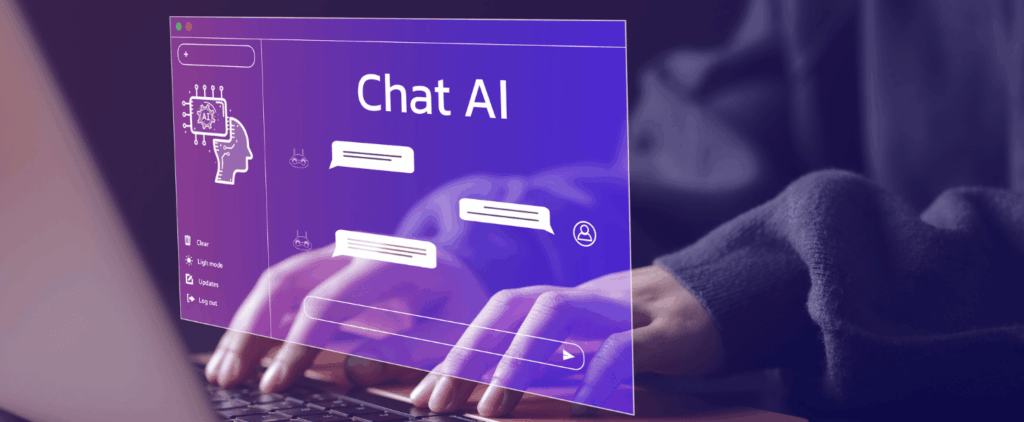
Chatbots and Conversational Personalization
AI-powered chatbots enhance user experience by delivering instant, contextually relevant support on websites and landing pages. These bots:
- Qualify leads with personalized questions
- Offer content or service recommendations based on visitor behavior
- Route inquiries to appropriate sales reps in real-time
- Adapt conversations based on prior visits or chat history
For MSPs, this means fewer missed leads and more tailored interactions during high-intent moments.
Behavioral Retargeting
AI helps MSP marketers track and analyze online behavior to deliver retargeting ads with highly personalized messaging. For example, a visitor who explored managed cybersecurity services but didn’t convert can later see ads specifically highlighting key cybersecurity features or limited-time offers.
This precise targeting boosts ad relevance and conversion rates while minimizing wasted spend.
Personalized Recommendations
AI identifies patterns across user behaviors and preferences to make personalized recommendations for:
- Relevant blogs, whitepapers, or videos
- Next-best services based on usage history
- Upsell or cross-sell opportunities within the MSP’s service portfolio
Personalized recommendations encourage deeper engagement and increase customer lifetime value without appearing generic.
Advantages of AI-Driven Personalization in MSP Marketing
Increased Engagement
Tailored content catches attention faster. Personalized subject lines, dynamic web content, and targeted ads are far more likely to be read, clicked, and shared.
Higher Conversion Rates
When messaging aligns with specific prospect needs, conversion likelihood rises. AI makes sure the right message reaches the right audience at the right time.
Improved Lead Quality
AI helps qualify leads with greater accuracy, allowing sales teams to focus on higher-potential prospects and close more deals.
Greater Marketing Efficiency
Automated personalization reduces the manual workload. Once configured, AI systems execute campaigns with minimal ongoing effort while constantly learning and improving.
Stronger Client Retention
AI-fueled personalization continues after onboarding. Personalized service updates, upsell offers, and check-in sequences help MSPs build long-term relationships with clients.

Best Practices for AI-Driven MSP Marketing Personalization
To get the most out of AI personalization in MSP marketing, follow these key best practices:
Start with a Clear Data Strategy
AI models require clean, consistent, and unified data. Before implementing personalization:
- Consolidate data from CRM, web analytics, email tools, and ad platforms
- Eliminate duplicate or outdated contact records
- Ensure GDPR/CCPA compliance for all data usage
Segment Based on Value-Driven Metrics
Segment audiences using meaningful distinctions like:
- Business size or IT infrastructure complexity
- Industry regulations or compliance needs
- Budget readiness or solution awareness
Avoid over-segmentation that leads to inefficiency and diluted messaging.
Define Specific Personalization Goals
Set measurable objectives for each personalized campaign. Examples include:
- Increase email open rates by 15%
- Boost webinar registrations among healthcare prospects
- Shorten sales cycles for leads with high engagement scores
Having clear KPIs helps track the effectiveness of AI-driven strategies.
Test and Optimize Continuously
AI models improve with feedback. A/B test subject lines, visuals, CTAs, and content blocks. Use the results to train algorithms for future campaigns.
Integrate Across Platforms
For seamless experiences, ensure your AI personalization strategy spans across:
- Website
- Chatbots
- Social media ads
- Landing pages
An integrated, omnichannel approach improves the consistency and effectiveness of your messaging.
Monitor AI Output for Relevance and Ethics
Even with automation, human oversight is crucial. Regularly audit AI-generated content to ensure accuracy, relevance, and tone. Avoid messages that appear intrusive or overly automated.
AI delivers a transformative advantage in MSP marketing by making personalization scalable, precise, and data-driven. Through intelligent segmentation, behavioral analysis, and dynamic content generation, AI enhances every interaction a prospect or client has with your brand.
MSPs that integrate AI into their marketing strategies will see improved engagement, faster conversions, and greater client loyalty—all while reducing manual workloads and campaign inefficiencies.
As personalization becomes a competitive necessity in managed service provider marketing, AI will continue to be the engine driving smarter, more effective campaigns.